Skip to content
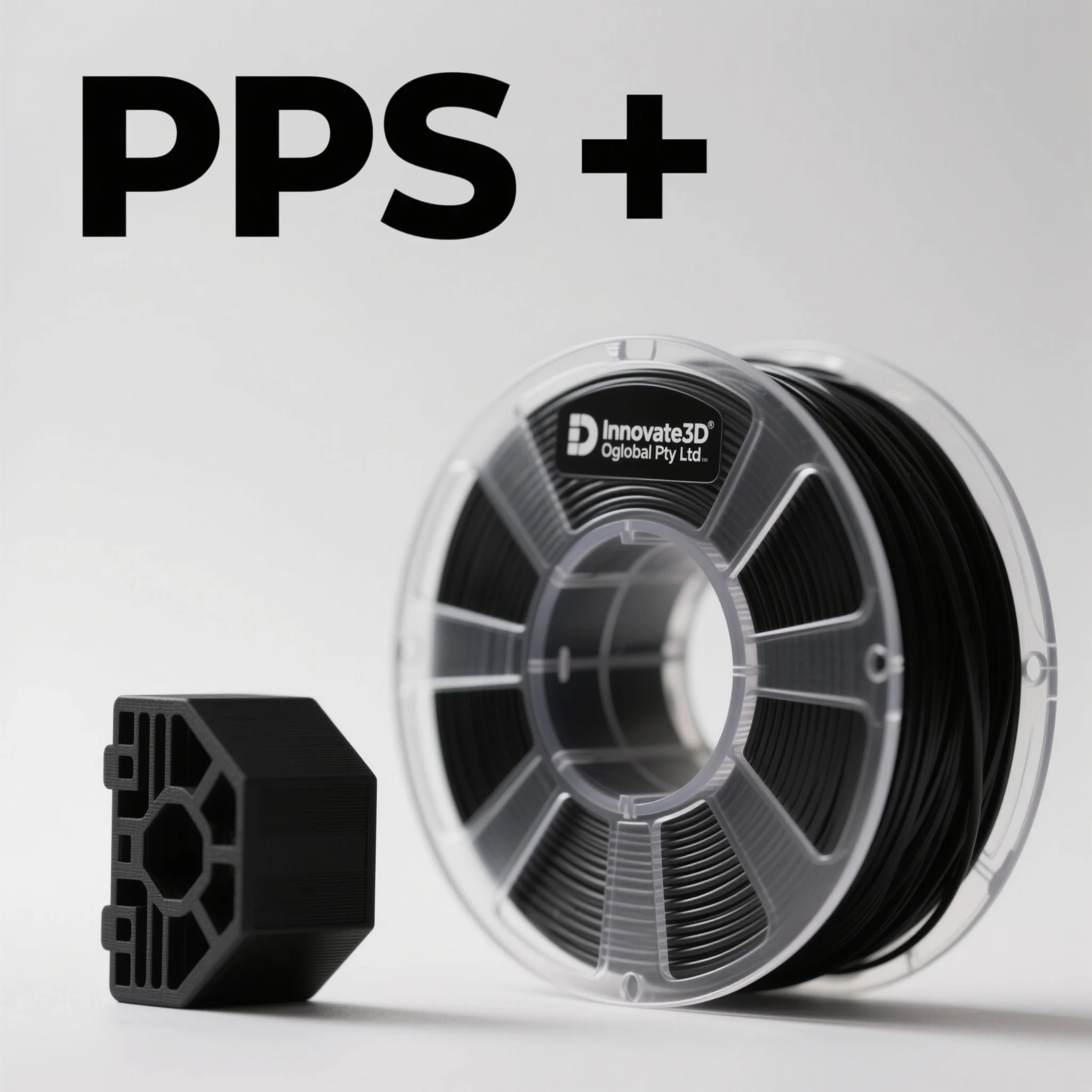
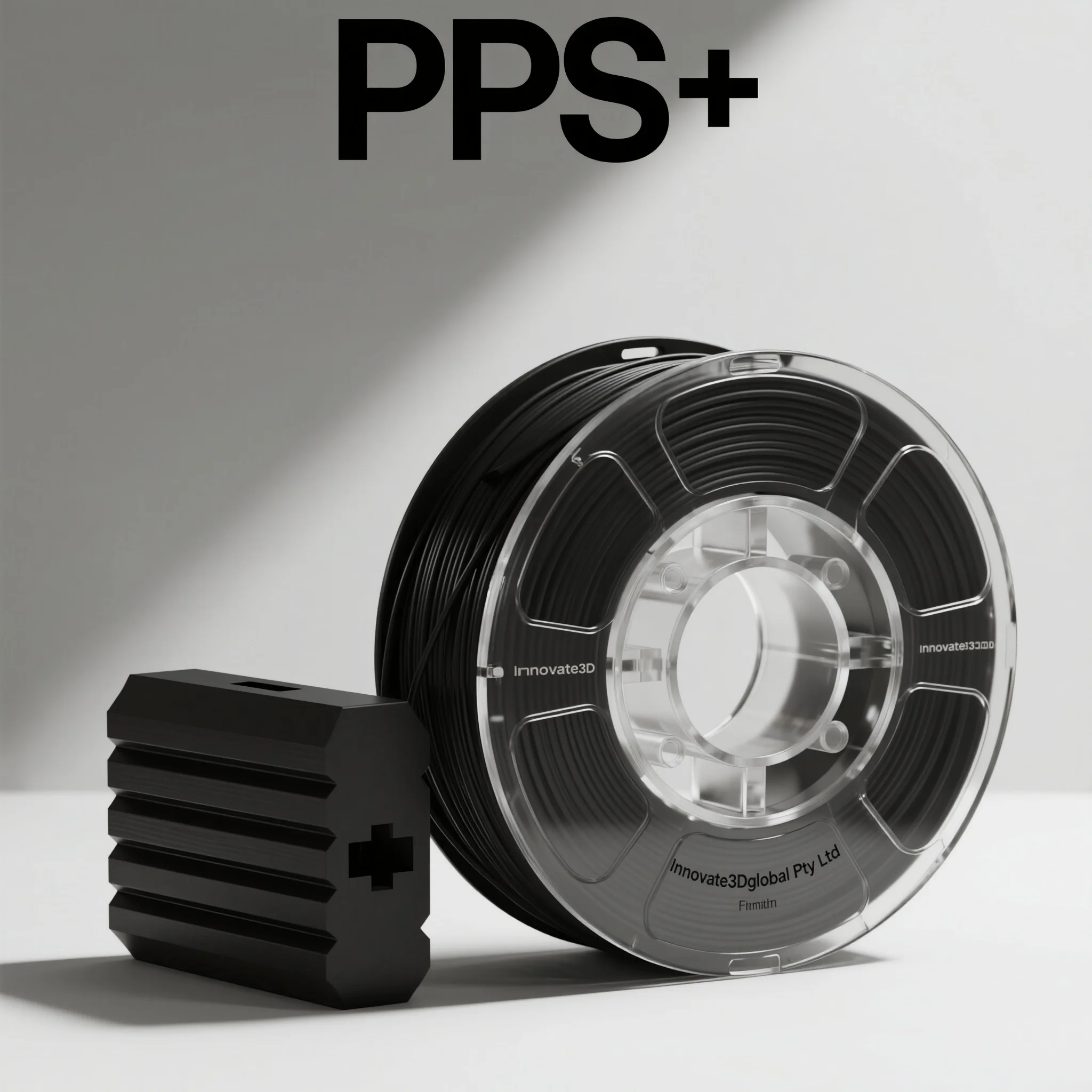
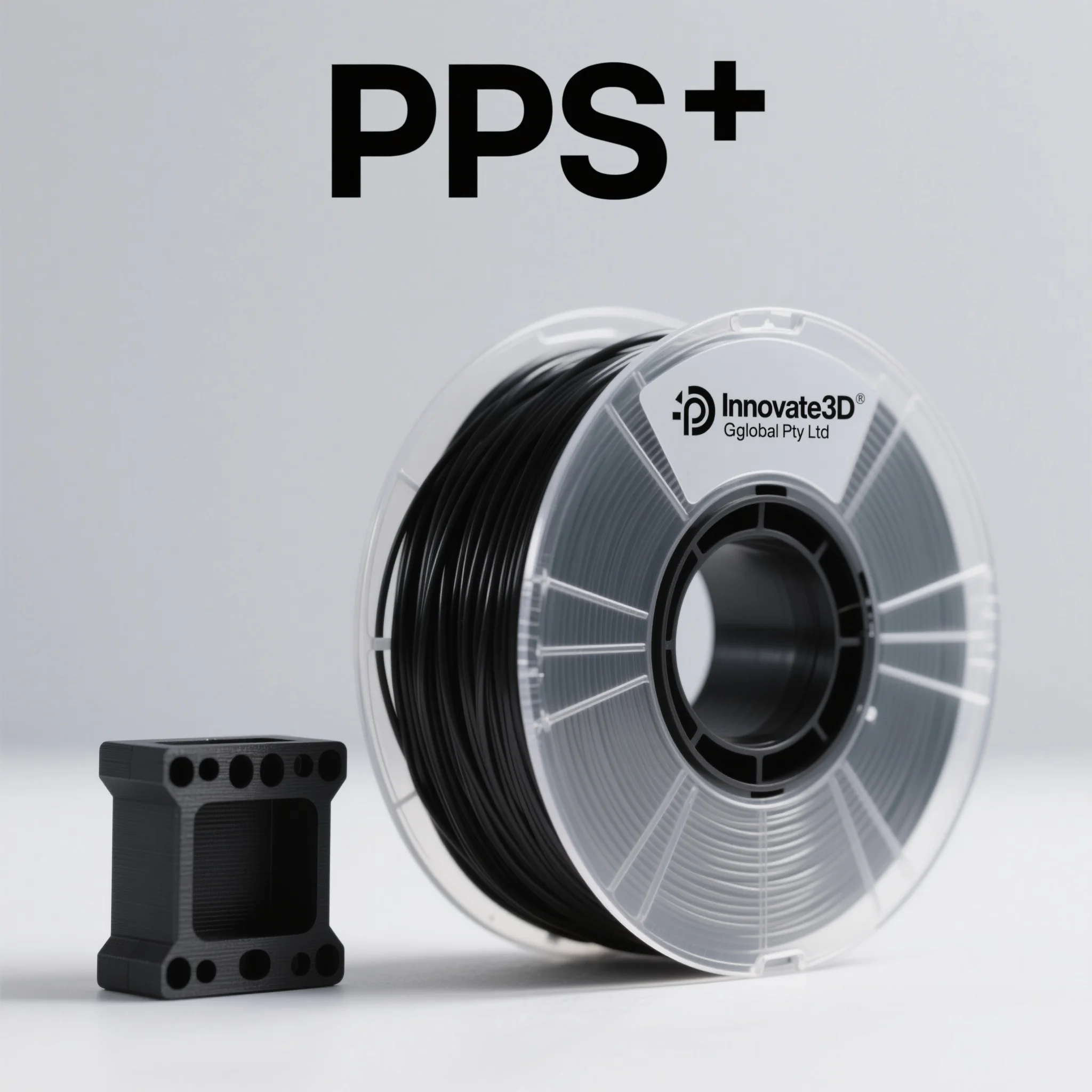



High-Performance Polyphenylene Sulfide Filament for Industrial, Engineering & Research Applications in the USA, UK, Germany, France, Australia & the European Union
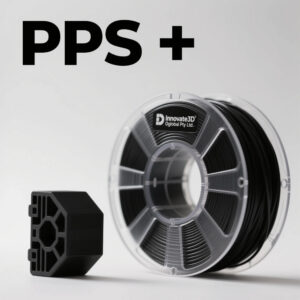
PPS (Polyphenylene Sulfide) is a premium, high-temperature, chemically resistant 3D printing filament engineered for demanding industrial applications, laboratory environments, and precision engineering tasks across the USA, UK, Germany, France, Australia, and the EU.
Renowned for its exceptional chemical resistance, dimensional stability, thermal endurance, and mechanical durability, PPS is a top-tier material used by aerospace, automotive, chemical, medical, and research organisations worldwide.
This advanced engineering polymer offers reliable performance under extreme conditions, making it the ideal choice for professionals requiring high-strength components, resistance to acids and solvents, and long-term thermal stability. see silver3D
Key Features & Benefits
-
Unmatched chemical resistance, even against strong acids, alkalis & organic solvents
-
High thermal stability suitable for elevated-temperature environments
-
Excellent dimensional accuracy even under long-term mechanical stress
-
Superior flame resistance with inherently low flammability
-
Exceptional stiffness and structural stability
-
Low moisture absorption ensures consistent part performance
-
High electrical insulation properties
-
Ideal for industrial, scientific, aerospace, and automotive applications
Engineered for mission-critical components, PPS is widely adopted in global manufacturing and research hubs.
Ideal Applications (International: USA, UK, Germany, France, Australia, EU)
PPS is extensively used in industries requiring extreme durability:
-
Aerospace brackets, housings & interior components
-
Automotive assemblies & under-hood parts
-
Chemical processing equipment & lab-grade components
-
High-temperature prototype testing
-
Electrical connectors & insulating components
-
Oil, gas & industrial machinery parts
-
Medical device housings (non-implant)
-
Parts requiring high rigidity + chemical protection
Its reliability makes PPS a preferred material for leading engineering companies, advanced R&D labs, scientific institutions, and manufacturing plants worldwide.
Technical Overview
(General PPS values—can be customised if you provide your TDS.)
Physical Properties
| Property | Typical Value | Notes |
|---|---|---|
| Density | 1.34–1.37 g/cm³ | High-performance polymer density |
| Moisture Absorption | Very Low | Ideal for dimensional stability |
| Surface Finish | Semi-matte | Highly stable surface properties |
Mechanical Properties
| Property | Typical Value | Benefit |
|---|---|---|
| Tensile Strength | High | Suitable for load-bearing components |
| Flexural Modulus | Very High | Exceptional stiffness |
| Impact Strength | Moderate | Improves with high-temperature annealing |
| Layer Adhesion | Strong | Suitable for functional prototypes |
Thermal Properties
| Property | Typical Value | Notes |
|---|---|---|
| Heat Deflection Temperature | >200°C | Excellent high-temperature performance |
| Printing Temperature | 300–330°C | Requires industrial-grade printer |
| Bed Temperature | 120–150°C | Prevents warping |
| Chamber Temperature | 80–120°C | Essential for thermal stability |
Recommended Printing Parameters
| Setting | Recommended Range |
|---|---|
| Nozzle Temperature | 300–330°C |
| Bed Temperature | 120–150°C |
| Chamber Temperature | 80–120°C |
| Print Speed | 20–50 mm/s |
| Cooling Fan | OFF |
| Nozzle Type | Hardened steel recommended |
Due to high processing temperatures, PPS is used with industrial 3D printers in manufacturing, aerospace, university research, and testing facilities.
Why PPS Is Ideal for USA, UK, Germany, France, Australia & EU Markets
🇺🇸 USA
-
Popular in aerospace, automotive, chemical processing & defence sectors
-
Strong adoption in universities & advanced manufacturing labs
🇬🇧 United Kingdom
-
Used in robotics, environmentally controlled research, and engineering design offices
🇩🇪 Germany
-
Highly valued by automotive OEMs, industrial manufacturers, and engineering institutes
-
Ideal for precision mechanical applications
🇫🇷 France
-
Excellent for aerospace (Airbus ecosystem), medical research, and high-tech design centers
🇦🇺 Australia
-
Used in mining, chemical analysis labs, engineering departments, and manufacturing startups
🇪🇺 European Union
-
Meets EU regulations for industrial & scientific-grade materials
-
Widely adopted in electronics, automotive, medical, and energy sectors
SEO Keywords Included in This Description
United States
-
PPS filament USA
-
Chemical-resistant PPS 3D printing material US
-
High-temperature PPS polymer for industry USA
United Kingdom
-
PPS filament UK
-
Chemical-resistant engineering filament Britain
-
High-performance PPS material UK market
Germany (Deutsch)
-
PPS Filament Deutschland
-
Chemikalienbeständiges PPS 3D Druckmaterial
-
Hochtemperatur PPS Filament Deutschland
France (Français)
-
Filament P.PS France
-
Matériau PP.S résistant aux produits chimiques
-
Filament P.PS haute performance impression 3D France
Australia
-
PPS filament Australia
-
Chemical-resistant PPS for industrial printing AU
-
High-performance PPS polymer Sydney, Melbourne, Brisbane
European Union
-
PPS filament EU
-
Chemical-resistant 3D printing material Europe
-
Industrial PPS polymer for engineering EU
Summary
PPS | Exceptional Chemical Resistance is the ultimate choice for industries requiring scientifically robust, high-temperature, chemically resistant, and dimensionally stable 3D printed components. Its exceptional performance makes it a leading material across the USA, UK, Germany, France, Australia, and the European Union for mission-critical engineering applications.
PPS stands as one of the most reliable high-performance polymers available for industrial-grade additive manufacturing.
FAQ – PPS | Exceptional Chemical Resistance
(USA • UK • Germany • France • Australia • European Union)
1. What is PPS filament?
PPS (Polyphenylene Sulfide) is a high-performance engineering polymer known for its exceptional chemical resistance, high thermal stability, strong mechanical performance, and dimensional stability. It is widely used in industrial, automotive, aerospace, chemical, and research applications across the USA, UK, Germany, France, Australia, and the EU.
2. What makes PPS chemically resistant?
PPS has a unique molecular structure that makes it naturally resistant to:
-
Strong acids
-
Alkalis
-
Fuels
-
Organic solvents
-
Oils & lubricants
-
Corrosive industrial fluids
This makes PPS an ideal choice for chemical processing, laboratory equipment, fuel-exposed parts, and high-temperature mechanical environments.
3. What are the benefits of using PPS for 3D printing?
PPS offers several high-value advantages:
-
Exceptional chemical resistance in harsh environments
-
High heat deflection temperature (above 200°C)
-
Excellent dimensional accuracy and low warpage
-
Superior stiffness and rigidity
-
Intrinsic flame resistance
-
Electrical insulation properties
-
Very low moisture absorption
These benefits make PPS suitable for industrial-grade applications worldwide, especially in engineering, medical research, and manufacturing.
4. What industries commonly use PPS filament?
PPS is widely used in:
-
Aerospace & aviation (USA, France, EU)
-
Automotive manufacturing (Germany, USA, UK)
-
Chemical processing & labs (Australia, EU)
-
Oil, gas & mining industries (Australia, USA)
-
Electrical & electronics (Germany, France, EU)
-
Mechanical engineering & robotics (UK, Germany)
-
Research institutions and universities worldwide
Its resistance to corrosive chemicals makes PPS invaluable in laboratory environments across the EU and USA.
5. What printing equipment is required for PPS filament?
PPS is a high-temperature engineering polymer, requiring:
| Component | Requirement |
|---|---|
| Nozzle Temperature | 300–330°C |
| Heated Bed | 120–150°C |
| Heated Chamber | 80–120°C |
| Nozzle Type | Hardened steel or high-temp alloy |
| Printer Type | Industrial or high-temp 3D printer |
PPS cannot be printed on basic consumer printers; it’s intended for professional and industrial users.
6. Is PPS stronger than ABS, ASA, or Nylon?
Yes. PPS outperforms most mid-range engineering filaments. Compared to common materials:
| Material | Chemical Resistance | Heat Resistance | Stiffness | Industrial Use |
|---|---|---|---|---|
| PP.S | ★★★★★ | ★★★★★ | ★★★★★ | Very High |
| Nylon | ★★★☆☆ | ★★☆☆☆ | ★★☆☆☆ | Medium |
| ABS | ★★☆☆☆ | ★★☆☆☆ | ★★☆☆☆ | Low–Medium |
| ASA | ★★☆☆☆ | ★★☆☆☆ | ★★★☆☆ | Medium |
PPS ranks among elite high-performance plastics, similar to PEEK and PEI.
7. Is It safe for indoor printing?
PPS should be printed in a ventilated and enclosed environment because:
-
It requires high temperatures
-
It can produce fumes during printing
-
Industrial safety standards should be followed
This is standard practice across labs in the USA, EU, UK, Germany, France, and Australia.
8. Does it absorb moisture?
No. PPS has very low moisture absorption, making it highly stable in:
-
Humid climates (Australia, southern USA)
-
Cold/wet regions (Germany, UK)
-
Controlled lab environments (France, EU)
It prints consistently even after long storage when kept properly sealed.
9. Is it flame-resistant?
Yes. PPS is naturally flame retardant and self-extinguishing.
This makes it ideal for:
-
Aerospace interiors
-
Electrical connectors
-
Automotive components
-
Industrial housings
-
High-temperature enclosures
10. How should PPS filament be stored?
Store PPS in:
-
A dry, sealed container
-
With silica gel desiccants
-
Away from direct heat or sunlight
Although PPS absorbs little moisture, proper storage ensures highest print consistency.
11. Can it be machined after printing?
Yes. PPS can be:
-
Milled
-
Drilled
-
Tapped
-
Polished
-
Sanded
Due to its stiffness, PPE and caution are recommended during machining.
12. Does it warp during printing?
PPS has low warpage, but due to its high temperatures, an actively heated chamber is required to prevent cracking or curling.
13. Is it suitable for outdoor use?
Yes. PPS offers:
-
Excellent UV resistance
-
Heat resistance
-
Chemical stability
This makes it suitable for harsh outdoor or industrial environments across the USA, Australia, UK coastal regions, and the EU.
14. What support materials work with PPS?
Due to high print temperatures, support options are limited. Recommended:
-
PPS itself (same material supports)
-
High-temp breakaway supports (if compatible with print settings)
PVA or PLA cannot be used due to temperature incompatibility.
15. Where can it be purchased internationally?
PPS filament is available from specialised distributors serving:
-
USA (industrial filament suppliers, aerospace shops)
-
United Kingdom (engineering and R&D material providers)
-
Germany (automotive and mechanical engineering markets)
-
France (aerospace & research sectors)
-
Australia (industrial 3D printing suppliers)
-
European Union (high-performance polymer distributors)
Most suppliers offer international shipping with full technical support.