High-Performance Water-Soluble Support Material for Precision 3D Printing in Westmead, New South Wales 2145, Australia
TDS – PVA Filament
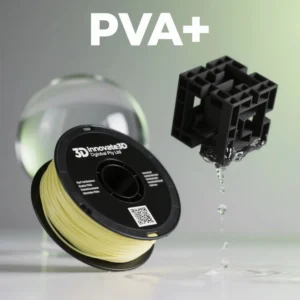
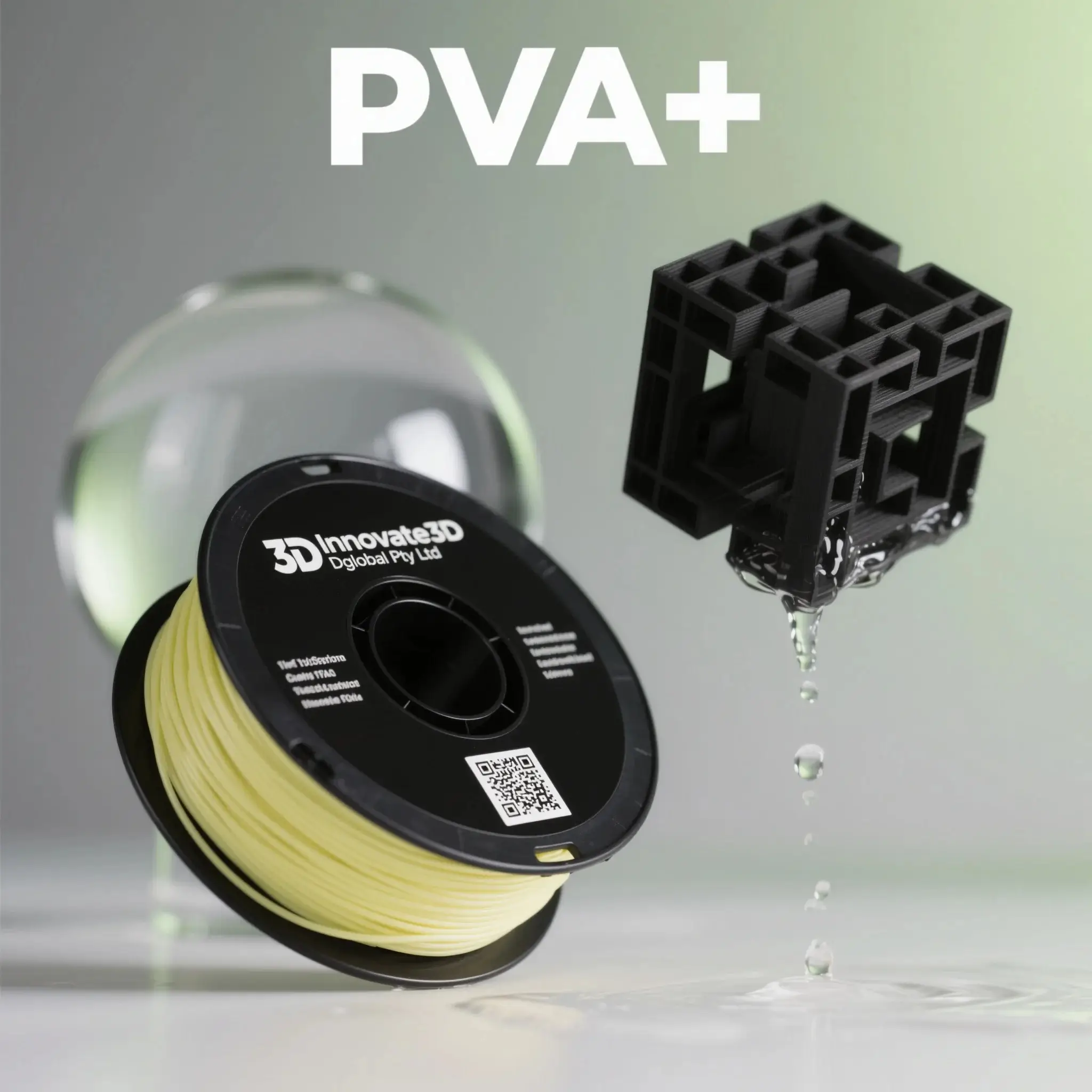
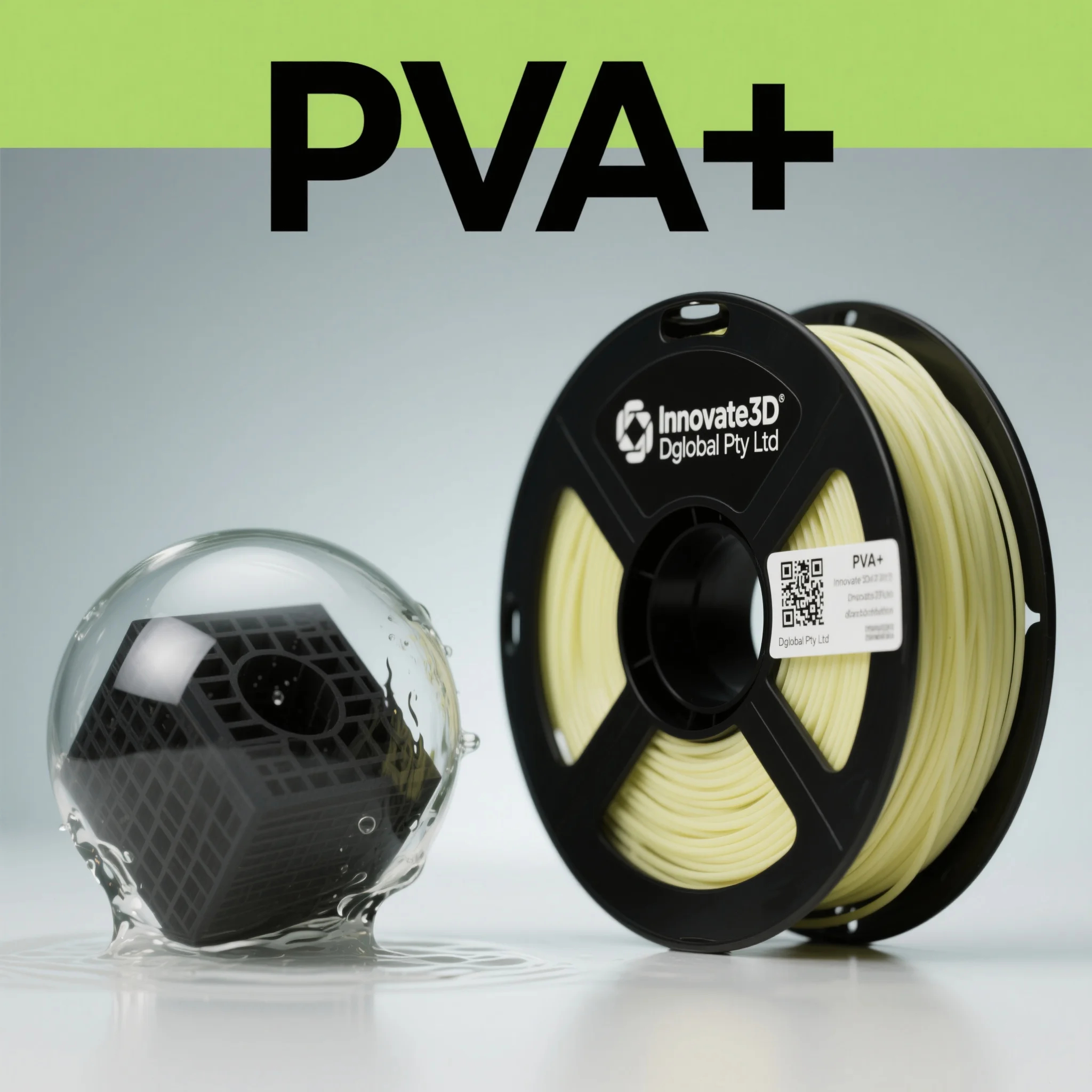
PVA+ (Polyvinyl Alcohol) is an advanced, water-soluble support filament engineered for professional dual-extrusion 3D printing. Purpose-built for creators, engineers, product designers, educators, and manufacturers in Westmead, New South Wales 2145, Australia, PVA+ offers exceptional reliability when printing complex geometries, overhangs, internal cavities, and multi-material parts.
Formulated with excellent adhesion, low warpage, and fast dissolution, PVA+ is the ideal companion filament for PLA, PETG, and other compatible build materials. Whether you’re operating a research lab, design studio, education facility, or manufacturing service in the Westmead NSW 2145 region, PVA+ ensures clean, precise supports that wash away effortlessly—saving time while achieving professional-grade results. see silver3D
⭐ Key Advantages of PVA+ (Optimised for Australian Users)
-
Superior water-soluble support structure for intricate dual-extrusion printing
-
Dissolves quickly in room-temperature water, reducing post-processing time
-
Excellent adhesion to common build materials such as PLA
-
Low warpage performance, even in long, complex prints
-
Ideal for users in Westmead NSW 2145, where precision support materials are essential in engineering, medical, creative, and research sectors
-
Reliable performance on most open-material 3D printers used in Australia
🎯 Recommended Applications
PVA+ is ideal for industries, creators, and educational institutions in Westmead, New South Wales 2145, including:
-
Complex overhangs & hollow structures
-
Dual-extrusion models requiring precise support cleanup
-
Educational prototypes & research models
-
Functional parts requiring internal support removal
-
Cultural and creative works
-
Toys & gift manufacturing
-
Industrial prototyping
(As listed in the PVA Filament Technical Data Sheet
TDS – PVA Filament)
📊 Technical Specifications
Physical Properties
| Property | Typical Value | Unit | Method | Test Condition |
|---|---|---|---|---|
| Density | 1.27 | g/cm³ | ISO 1183 | 23 °C |
| Melt Flow Rate | 9 | g/10 min | ISO 1133 | 190 °C / 2.16 kg |
TDS – PVA Filament
Mechanical Properties
| Property | Typical Value | Unit | Method | Test Condition |
|---|---|---|---|---|
| Tensile Strength | 14 | MPa | ISO 527 | 50 mm/min |
| Elongation at Break | 50 | % | ISO 527 | 50 mm/min |
| Flexural Strength | 42 | MPa | ISO 178 | 5 mm/min |
| Flexural Modulus | 850 | MPa | ISO 178 | 5 mm/min |
| Unnotched Izod Impact Strength | 14 | kJ/m² | ISO 180 | 23 °C |
TDS – PVA Filament
Thermal Properties
| Property | Typical Value | Unit | Method | Test Condition |
|---|---|---|---|---|
| Melting Temperature | 175 | °C | DSC | 10 °C/min |
| Heat Deflection Temperature | 65 | °C | ASTM D648 | 120 °C/h, 0.45 MPa |
TDS – PVA Filament
🔧 3D Printing Parameters (Optimised for Westmead NSW 2145, Australia)
| Parameter | Value |
|---|---|
| Printing Temperature | 190–210 °C |
| Recommended Nozzle Temperature (Test) | 200 °C |
| Bed Temperature | 0 °C or 60–80 °C |
| Plate Temperature (Test) | 60 °C |
| Printing Speed | 100 mm/s |
| Infill Density | 100% |
TDS – PVA Filament
These parameters deliver optimal extrusion consistency, support adhesion, and dissolution behaviour under Australia’s varied environmental conditions.
🧪 Why PVA+ Is the Ideal Support Filament for Westmead, NSW 2145
Westmead is a high-innovation suburb, home to major research facilities, hospitals, education centres, and technology-driven businesses. PVA+ supports this environment by offering:
-
Precise, reliable support structures for engineering and biomedical prototyping
-
Safe, low-warpage material behaviour suitable for office, classroom, and lab environments
-
Fast-dissolving supports that minimise manual post-processing
-
Compatibility with multi-material printing setups used in advanced design and manufacturing hubs
Whether you’re producing intricate medical models, internal channel components, artistic structures, or dual-material assemblies, PVA+ ensures clean, professional, and efficient results.
🔍 SEO-Optimised Keywords Included in This Description
✔ PVA Plus filament Westmead NSW 2145 Australia
✔ PVA+ advanced support material New South Wales
✔ Water-soluble 3D printing filament Westmead Australia
✔ Dual-extrusion support filament NSW 2145
✔ Professional support material for complex 3D prints Westmead NSW
✔ Soluble support filament for PLA Australia
🏁 Summary: Why Choose PVA+ for Your Dual-Extrusion Prints?
-
Fast-dissolving, highly dependable support material
-
Ideal for complex, multi-material designs
-
Excellent adhesion ensures clean surfaces on finished parts
-
Low odour and low warpage—perfect for home, lab, or industrial settings
-
Trusted by 3D printing professionals in Westmead, New South Wales 2145, and across Australia
PVA+ makes advanced 3D printing more accessible, more accurate, and more efficient—especially when precision matters most.
FAQ – PVA+ | Advanced Water-Soluble Support Filament (Westmead NSW 2145, Australia)
1. What is PVA+ support filament?
PVA+ is an advanced water-soluble support material designed for dual-extrusion 3D printing. It provides temporary support structures that easily dissolve in water, making it ideal for complex models and detailed prototypes produced in Westmead, New South Wales 2145, Australia.
2. Why is PVA+ ideal for users in Westmead NSW 2145?
Westmead is home to major research, medical, educational, and engineering facilities that rely on high-precision prototyping. PVA+ is perfect for these environments because it offers:
-
Clean, residue-free support removal
-
Fast dissolution in tap water
-
Compatibility with PLA and other common build materials
-
Low odour and safe use in labs, classrooms, offices, and workshops
3. What materials is PVA+ compatible with?
PVA+ bonds especially well with:
-
PLA (most recommended)
-
Some PETG and low-temp copolyesters
-
Multi-material dual-extrusion printers
Its good adhesion is highlighted directly in the Technical Data Sheet. -
TDS – PVA Filament
4. How quickly does PVA+ dissolve in water?
PVA+ dissolves rapidly in room-temperature water, depending on part thickness and design complexity. Agitation or warm water can accelerate the process. This makes it highly efficient for rapid prototyping teams in Westmead NSW 2145, where turnaround time matters.
5. What printing temperatures should I use for PVA+?
According to the technical data sheet:
-
Printing Temperature: 190–210°C
-
Recommended Test Nozzle: 200°C
-
Bed Temperature: 0°C or 60–80°C
-
TDS – PVA Filament
These settings ensure stable extrusion and strong adhesion to the build material.
6. Does PVA+ require a heated bed in Australia’s climate?
A heated bed is optional.
In cooler regions of NSW—such as near Westmead—using a 60°C bed improves adhesion.
In warmer climates, an unheated bed may be sufficient.
7. What type of models benefit most from PVA+?
PVA+ is excellent for:
-
Complex overhangs
-
Internal cavities or channels
-
Multi-material parts
-
Fine-detail models where manual support removal is impossible
-
Engineering and biomedical prototypes used in Westmead’s research facilities
8. Is PVA+ strong enough to hold up during printing?
Yes. Mechanical properties from the TDS include:
-
Flexural Strength: 42 MPa
-
Flexural Modulus: 850 MPa
-
Impact Strength: 14 kJ/m²
-
TDS – PVA Filament
This ensures PVA+ maintains stability during printing while still dissolving cleanly afterward.
9. Can I use PVA+ inside offices, schools, or labs in Westmead NSW?
Absolutely. PVA+ has low odour and is safe for indoor environments, making it ideal for:
-
Schools
-
Hospitals & biomedical labs
-
University research departments
-
Engineering offices
-
Creative studios in Westmead
10. Does humidity affect PVA+?
Yes. PVA+ is very hygroscopic, meaning it absorbs moisture quickly—especially in humid areas around Sydney.
To maintain print quality:
-
Store in a dry box
-
Use vacuum sealing with desiccant
-
Dry the filament before printing if moisture is absorbed
11. How durable is PVA+ during printing?
Despite being water-soluble, PVA+ is mechanically stable during printing:
-
Tensile Strength: 14 MPa
-
Elongation at Break: 50%
This allows it to support complex structures without collapsing. -
TDS – PVA Filament
12. Is PVA+ safe for beginners in Westmead NSW?
Yes. It is easy to use, dissolves safely in water, and does not require harsh chemicals. Beginners, students, and hobbyists in Westmead can confidently use it for dual-extrusion projects.
13. How should PVA+ be stored in Australia?
Because of Australia’s variable humidity—especially in New South Wales—store PVA+ in:
-
Airtight containers
-
Dry boxes
-
Resealable bags with desiccant
Proper storage significantly improves printing performance.
14. How do I remove PVA+ supports?
Simply submerge the completed print in water.
For faster removal:
-
Stir or shake occasionally
-
Use warm (not hot) water
-
Allow the supports to fully dissolve before rinsing
15. Where can I buy PVA+ in Westmead, New South Wales 2145?
PVA+ can be purchased from local and national Australian 3D printing suppliers. Innovate3Dglobal Pty Ltd, located in Westmead NSW 2145, also provides material supply options.
(Information cited from document header.)